
The RTAL Companies
 |
 |
|
 |
||
The Process |
|
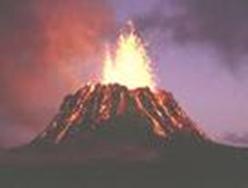
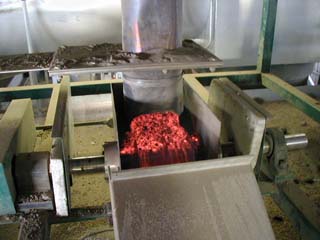
When a volcano erupts, it melts the rock, which flows like lava and then resets as it cools. In The Trefoil Process, a sintering operation, "rock" is taken in the forms of shales, dust, clay (decomposed rock), etc. and then heated to the point of melting. The temperature is carefully controlled to allow the molten material to form a new matrix and not melt to the point where it becomes fluid and loses it shape. The Trefoil Process has been developed by Terry Green, based around the first major improvement in kiln technology in 100 years. Currently, these wastes are landfilled or go to farmland. Increasing legislation and taxation policies are being put in place requiring alternative disposal strategies. The Trefoil Process is an environmentally friendly sintering process that turns waste material into manufactured aggregates that are highly marketable and beneficial to the environment, with a net reduction in greenhouse gases. It is an environmentally sound alternative to existing waste disposal systems like incineration (which produces a contaminated ash) or landfills (which produce methane gas). The aggregates produced have many uses in the construction industry. The novel process can use a wide range of materials including sewage sludge, the putressable part of municipal solid waste, paper pulp, various ashes from power generation or incineration, harbour dredgings, quarry silts and overburden and in the manufacture of lightweight aggregate. The organics and carbons in the waste act as the fuel required for the sintering process whilst enhancing the lightweight quality of the aggregate manufactured. The materials to be disposed of fall into two categories, the first is used as "fuel" for the process, the second is the base material from which the aggregate is formed. The second "base" material is always required for the process, the first material is preferred and is usually necessary for the viability of a plant. The materials are mixed together, pelletised, dried, fired in the kiln, and then cooled before going to stockpile. |
Web design and development by GRANDdesign Production Company Limited